

AI trends 2025: Artificial Intelligence (AI) has become one of the most transformative forces driving innovation across industries, technology, and everyday life. As of 2025, AI is evolving rapidly with new breakthroughs, shifting from experimental phases into widespread adoption and integration. Staying updated on the latest AI trends helps businesses, developers, and enthusiasts harness emerging technologies for competitive advantage and meaningful impact.
This comprehensive guide explores the hottest trends shaping the AI landscape in 2025, detailing their technologies, applications, and future implications. Covering agentic AI, generative AI advancements, AI hardware innovations, and ethical considerations, this article provides an informative roadmap for understanding the current state and near future of artificial intelligence.
Introduction: AI’s Rapid Rise and Broadening Impact
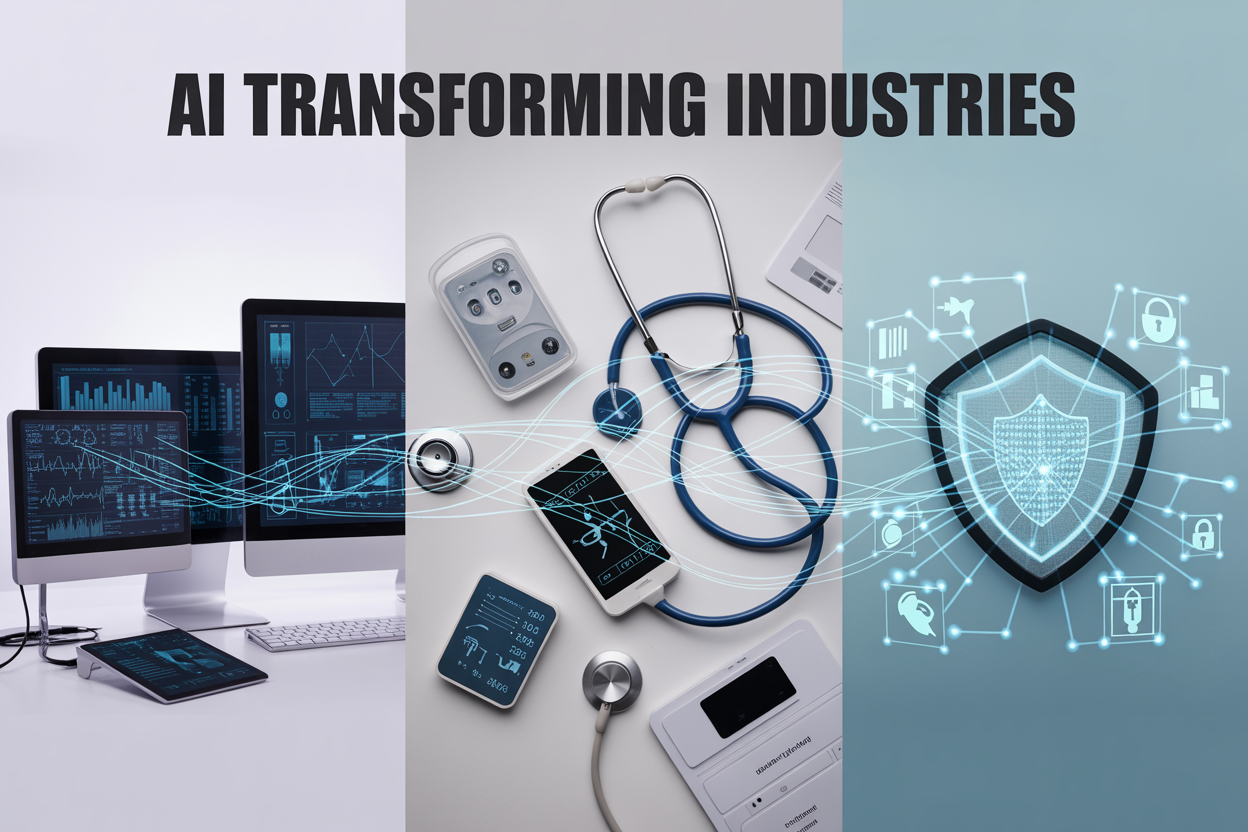
AI started as a specialized academic pursuit and niche technology. Within a few years, it has become a high-stakes strategic priority across government, enterprise, education, healthcare, entertainment, and more. The proliferation of large language models (LLMs), machine learning frameworks, and specialized AI hardware has accelerated this momentum.
By 2025, AI is no longer an isolated tool but an integrated, autonomous collaborator capable of reasoning, planning, and creating across multiple modalities such as text, images, audio, video, and even simulation. AI is reshaping workflows, customer experiences, research methodologies, and product discovery.
Read Also: Sustainable Creativity: How Generative AI Can Help Reduce Production Waste
Key AI Trends Dominating 2025
1. Agentic AI: From Tools to Autonomous Virtual Co-worker’s
One of the most exciting developments in 2025 is the emergence of agentic AI — AI systems that go beyond reactive assistance to proactive autonomy in complex workflows. Unlike basic chatbots or single-task AI tools, agentic AI can:
- Plan and execute multistep activities automatically.
- Collaborate with human teams as “virtual coworkers.”
- Learn and adapt workflows to optimize task completion.
- Manage resources and make contextual decisions independently.
This evolution from assistance to agency transforms AI from partner to autonomous worker, usable in areas like IT automation, customer service, supply chain management, and project coordination.
Agentic AI is still in early enterprise and consumer adoption phases, but its potential to revolutionize work is notable.
2. Generative AI Maturation: Realism and Utility
Generative AI continues to dominate headlines and industries with breakthroughs in creating:
- Hyper-realistic text, images, video, and audio content.
- Creative writing, marketing copy, technical documentation, and multimedia designs.
- Code generation and software development assistants.
- Personalized educational content and interactive narratives.
Models like GPT-4, Google Gemini Ultra, and DALL·E 3 demonstrate improved coherence, contextual understanding, and multimodal capabilities in 2025. Generative AI is increasingly embedded into workflows rather than being standalone tools, blurring lines between creativity and automation.
3. Custom Silicon: AI Hardware Innovation
AI’s insatiable hunger for computing power is fueling a surge in application-specific semiconductors:
- Customized chips tailored to AI training and inference workloads.
- Innovations in energy efficiency, heat reduction, and packing density.
- Faster, cheaper, and greener AI computing powering real-time applications.
Leading tech companies and chip manufacturers are investing heavily in developing these AI accelerators to address bottlenecks in cloud and on-device AI workloads.
This hardware leap enables more complex AI capabilities to become cost-effective and accessible.
4. Multimodal and Context-Aware AI Systems
The future of AI in 2025 is multimodal intelligence — the ability to simultaneously understand and generate across multiple data types:
- Combining text, images, video, and audio inputs in coherent responses.
- Utilizing contextual cues from user behavior, environment sensors, and historical data.
- Supporting complex decision-making and personalized experiences.
Multimodal AI is essential for applications like autonomous vehicles, medical diagnostics, virtual assistants, and creative content production.
5. AI-Driven Automation and Intelligence in the Public Sector
Governments worldwide are increasingly adopting AI to:
- Enhance public service delivery through smart chatbots and virtual agents.
- Improve data management, forecasting, and policy simulation.
- Address challenges in healthcare accessibility, disaster response, and urban planning.
AI offers public sectors cost savings, efficiency, and new citizen engagement models, with ongoing concerns about fairness, transparency, and accountability.
6. AI Ethics, Responsible AI, and Green AI
With AI’s rapid adoption, ethical and sustainable AI is a critical trend:
- Efforts to minimize biases, enhance transparency, and maintain privacy in AI systems.
- Development of AI models trained and deployed on renewable energy or carbon-neutral data centers.
- Governance frameworks ensuring AI aligns with societal values and legal standards.
Companies and regulators emphasize explainability, privacy, and environmental impact as essential dimensions of AI innovation.
7. Quantum and Neuromorphic AI: Beyond Classical Limits
Quantum computing and neuromorphic chips are nascent but gaining attention for AI:
- Quantum approaches could accelerate drug discovery, cryptography, and optimization.
- Neuromorphic AI mimics brain structures for efficient, low-power processing.
- Both promise breakthroughs in AI by overcoming classical computing constraints.
Though commercial quantum AI remains largely experimental in 2025, investment and research suggest significant future impacts.
Examples of AI Trends in Action
AI-Powered Virtual Assistants
Agentic AI virtual assistants autonomously schedule meetings, summarize documents, generate follow-ups, and adapt workflows—offloading repetitive tasks from knowledge workers.
Personalized Content Generation
Generative AI powers custom marketing content, automatically designing graphics, copy, social posts, and emails tailored by user data, boosting engagement and efficiency.
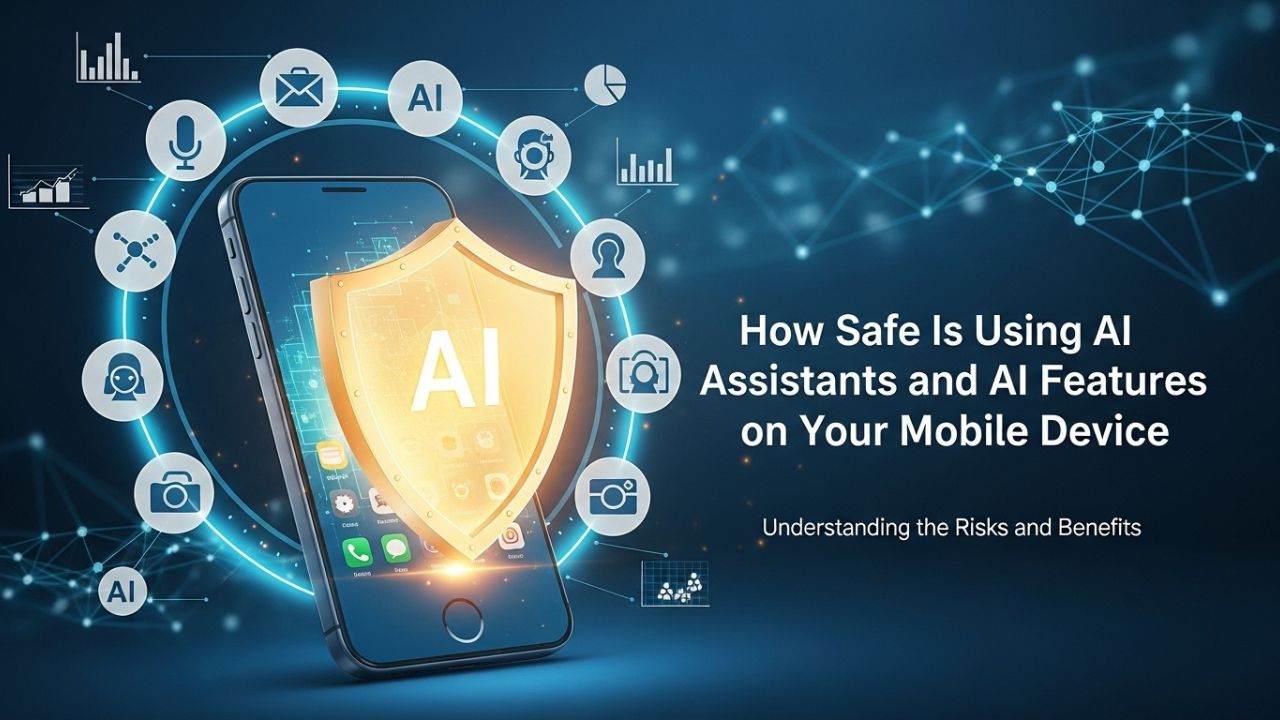
AI Chips in Smartphones and Cloud
Custom silicon accelerators enable phones to run powerful AI locally, supporting real-time language translation, facial recognition, and augmented reality without cloud dependency.
Public Health AI Analytics
AI models analyze vast datasets for tracking disease outbreaks, optimizing vaccination drives, and predicting healthcare needs at the community level.
Read Also: AI for Good or Not: Responsible AI, Ethics and the Dark Side of Autonomous Agents
Frequently Asked Questions (FAQ)
1. What is agentic AI, and why is it important?
Agentic AI autonomously plans and executes complex tasks across workflows, acting as virtual coworkers. It enables automation beyond scripted responses, essential for scalable enterprise AI.
2. How is generative AI evolving in 2025?
Generative AI is becoming more context-aware, multimodal, and integrated into everyday workflows, producing content that is more accurate, creative, and useful.
3. Why is custom AI hardware significant?
Specialized chips enhance AI speed and efficiency, reducing costs and enabling advanced AI applications on smaller devices or in the cloud.
4. What are the main concerns about AI adoption?
Ethical issues such as bias, misinformation, privacy, and environmental impact require responsible AI development and regulation.
5. How will AI affect the public sector?
AI will enhance service delivery, data-driven policy making, and crisis response, offering benefits and challenges around transparency and fairness.
Conclusion
Artificial Intelligence in 2025 is marked by revolutionary trends that extend its impact and embed it deeply in technology and society. From the rise of autonomous agentic AI and flourishing generative capabilities to leaps in AI hardware and ethical governance, the AI landscape is both exciting and complex.
Businesses, governments, and individuals who understand and adapt to these trends stand to benefit from enhanced productivity, innovation, and problem-solving. Responsible development and deployment will ensure AI’s transformative power is harnessed equitably and sustainably.
Staying informed about these evolving trends will be crucial to navigating the future of AI with confidence and foresight.





2 thoughts on “What Is the Latest Trend in Artificial Intelligence Right Now? Insights for 2025”