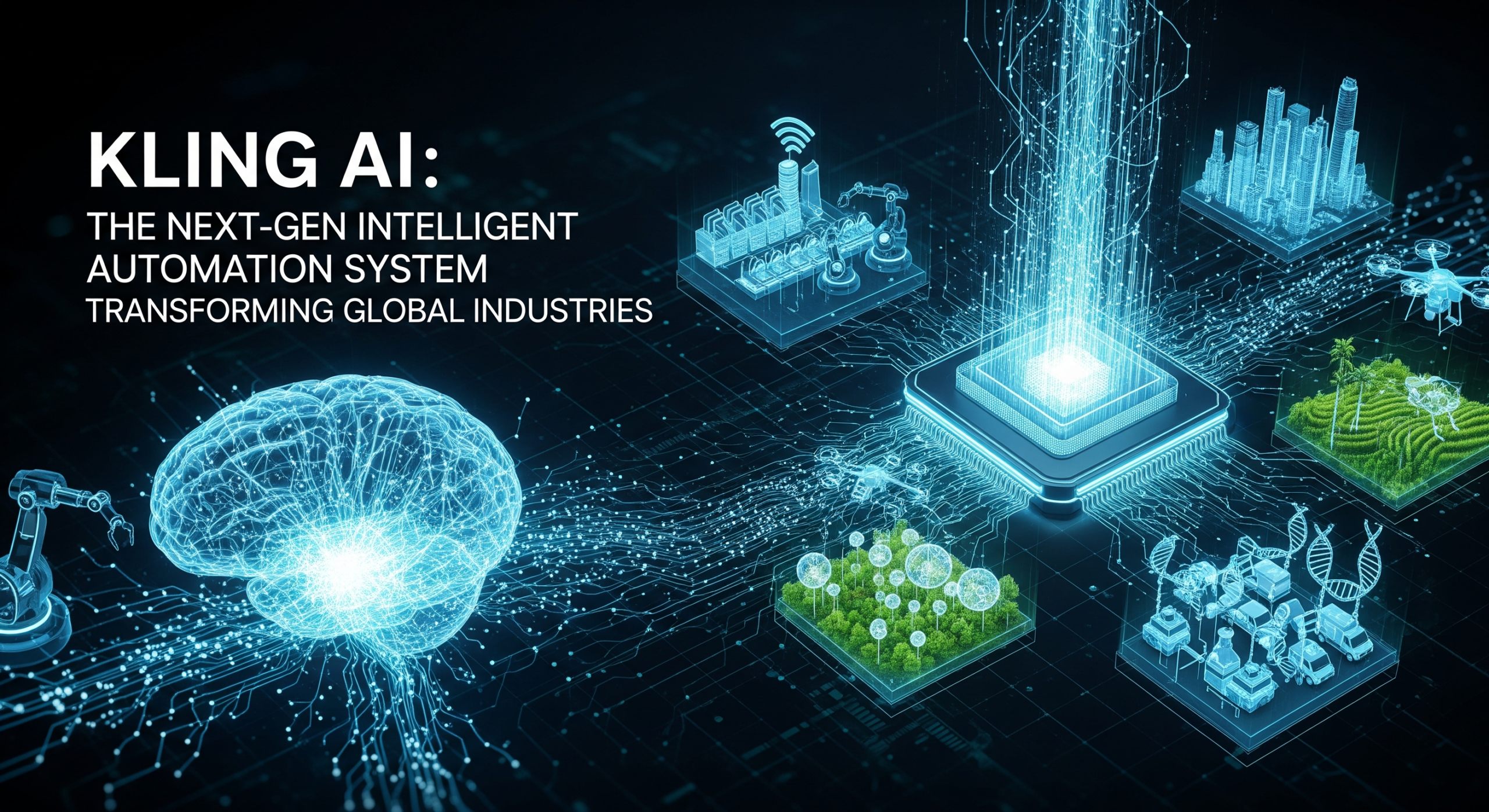
Artificial Intelligence is no longer a buzzword—it’s the engine quietly revolutionising how industries operate, innovate, and serve customers. In 2025, AI’s influence stretches from the aisles of retail stores to the treatment rooms of hospitals and deep into the heart of global finance. This article dives into the trans-formative power of industry-specific AI adoption, spotlighting retail, healthcare, and finance. Backed by the latest research and fresh, actionable examples, the exploration underscores how AI drives growth, efficiency, and customer-centricity while mapping future possibilities.
Introduction: AI as a Catalyst for Industrial Reinvention
AI has traversed the road from speculative technology to critical business infrastructure. Leading companies now embed AI across core processes for rapid decision-making, tailored services, and operational excellence. In 2025, 78% of organizations globally harness AI in at least one business function. Adoption is especially intense in sectors where data, automation, and rapid response yield high returns—retail, healthcare, and finance top the charts. These sectors experience both the promise and the growing pains of this new era: exceptional results where AI is embraced wisely, and uneven returns where readiness or vision lag behind.
AI Adoption Statistics: A 2025 Snapshot
- Retail: 71% of retail businesses actively implement or plan to deploy AI predictive analytics for personalizing customer engagement and marketing. Investments in AI now occupy 20% of retail tech budgets, up from 15% a year earlier. Retail boasts a 96% satisfaction rate in AI deployments, with nearly 90% of projects meeting or exceeding expectations.
- Healthcare: With a 36.8% annual compound growth rate in AI implementation, the sector’s AI spending in 2025 has soared by 169% year-on-year. AI now manages initial patient queries in over 40% of major networks, supporting everything from triage to diagnostic imaging. Notably, 62% of healthcare organizations rely on AI for outcome improvement and cost control, resulting in a 15% improvement in patient outcomes and a 12% drop in costs.
- Finance: Though cautious, the finance sector witnesses significant targeted investment. 77% of financial institutions employ AI for risk management, and 63% use it for fraud detection. The average risk exposure has decreased by 15%, while fraud losses dropped by 12%. When deployed, 33% of AI initiatives in banking outperform expectations, reflecting careful alignment between technology and business need.
Read Also: From Sketch to Masterpiece: How AI Turns Simple Drawings into Stunning Artworks
Retail: Hyper-Personalization, Efficiency, and Smart Operations
Personalized Shopping and Smart Engagement
AI supercharges the customer experience in retail. By harnessing purchase histories, browsing behavior, and demographic data, retailers offer highly personalized recommendations. Major brands leverage algorithm-driven platforms to anticipate demand, influence shopping paths, and improve conversion rates—a practice that has delivered at least a 10% sales bump and reduced churn by an average of 12% for early adopters.
Inventory Management, Forecasting, and Dynamic Pricing
AI’s predictive powers don’t stop at personalization. Supply chain optimization leverages real-time analytics to forecast demand and manage inventory, cutting down both excess stock and “out of stock” incidents. This precision improves efficiency and reduces waste. Meanwhile, dynamic pricing algorithms continuously assess competitors, demand, and seasonality—ensuring competitiveness and healthy margins.
Customer Support and Loss Prevention
The rise of AI chatbots and virtual assistants ushers in a new era of always-on customer service, handling routine inquiries and supporting purchasing decisions. Loss prevention is another domain where AI shines: computer vision and real-time analytics spot anomalies and deter theft or fraud. These solutions cut costs while elevating the trust and convenience customers expect.
Case Study: The Data-Driven Retailer
A leading e-commerce company integrated AI across its recommendation engine, supply chain, and support desk. Result: Sales grew by 14%, customer support costs halved, and real-time inventory optimization boosted on-time order delivery by 11%.
Healthcare: Precision, Speed, and Personalized Care
Diagnostics and Early Detection
In healthcare, AI’s ability to analyze complex medical data—scans, histories, genetic profiles—yields faster, more accurate diagnoses. Machine learning models now detect early signs of disease, including cancer, heart conditions, and neurological disorders, with accuracy rates exceeding those of human clinicians in some cases. Automation of clinical documentation further reduces administrative burdens and human error.
Personalized Treatment and Predictive Analytics
AI-powered platforms design personalized treatment plans, taking into account a patient’s genetic background, lifestyle, and history. Predictive analytics helps flag high-risk patients for early intervention, cuts unnecessary admissions, and tailors preventive care. In chronic disease management, wearable devices and AI apps monitor patient data in real time, alerting caregivers to critical changes almost instantly.
Operational Efficiencies and Workflow Automation
Hospitals deploy AI to optimize scheduling, staffing, and resource allocation, unlocking new levels of efficiency. Automated triage systems sort incoming queries, allowing clinicians to focus on complex cases. These operational benefits translate into shorter wait times and higher patient satisfaction.
Case Study: AI in Medical Imaging
A large hospital network adopted AI-powered imaging tools across its radiology units. These systems help prioritize urgent cases and flag anomalies, reducing turnaround time for critical results by 30% and improving diagnostic accuracy—ultimately saving lives.
Finance: Security, Speed, and Smart Decision-Making
Fraud Detection and Risk Management
In finance, AI is a sentry at the gates—monitoring massive transaction volumes for patterns of fraud or financial crime. AI-driven systems flag suspicious activity with over 90% accuracy and have helped financial firms bring down annual fraud losses by double digits. Predictive analytics also sharpens credit risk models, leading to smarter, fairer lending practices.
Algorithmic Trading and Customer Service Automation
The rise of algorithmic trading owes much to AI’s fast, pattern-seeking models. Globally, over two-thirds of hedge funds and investment firms employ AI-driven strategies to predict market shifts and optimize portfolio returns. Chatbots, meanwhile, handle billions in client assets while resolving customer queries, onboarding users, and even providing basic investment advice—with a growing base of satisfied customers.
Efficiency and Compliance
AI-driven workflow automation simplifies everything from onboarding and compliance checks to settlements and reporting. With regulations tightening around data usage and algorithmic fairness, financial institutions now use AI to ensure transparency and auditability, scaling monitoring to match ever-bigger data flows.
Case Study: A Leading Bank’s AI Journey
A prominent international bank deployed AI for both fraud detection and customer service. Within a year, fraud-related losses dropped 15%, fraudulent patterns were detected in real time, and customer response times improved by 45%, all while compliance costs were contained.
Overcoming Adoption Challenges
Despite the benefits, industry-specific hurdles persist:
- Data Bias and Quality: Poor or biased datasets can skew model outputs, undermining results and risking brand reputation, especially in customer-facing sectors.
- Security and Privacy: With sensitive data at stake, robust cybersecurity and data protection protocols are non-negotiable.
- Talent Gap: Demand for AI-trained professionals outstrips supply, driving investment in upskilling and education programs.
- Integration Costs: Large-scale AI solutions require upfront investment in infrastructure and strategy, but ROI remains strong for companies that implement these thoughtfully.
Forward-Looking Strategies for Effective AI Adoption
- Integrated AI Teams: Leading businesses create cross-functional AI hubs, combining technical talent, business acumen, and change management skill sets to drive adoption and safeguard results.
- Workflow Embedding: Embedding AI into daily operations, not siloing it, is key. API-led architectures and seamless dashboards help teams use AI intuitively, encouraging consistent use and measurable value.
- Continuous Learning: AI models and human teams alike must be continually updated with new data, skills, and benchmarks. This ensures AI systems evolve alongside shifting business goals and market dynamics.
- Regulatory Readiness: Especially in finance and healthcare, robust compliance frameworks are needed to monitor risks, flag unfair outcomes, and build public trust.
Read Also: Prompt to Profit: How Generative AI Is Creating New Income Streams
Frequently Asked Questions (FAQs)
How is AI different in each sector?
AI adapts to industry needs. In retail, it focuses on customer personalization, in healthcare on diagnostics and patient journey automation, and in finance on security and decision support.
Does AI reduce jobs?
AI automates repetitive tasks, but it also creates demand for new roles—data scientists, prompt engineers, ethicists, and more—in every sector. The net effect is a shift, not a simple reduction, in workforce needs.
What’s the ROI on AI investments?
The average ROI from AI predictive analytics across industries is 443%, with leading companies reporting returns up to 1000% when solutions are well-matched to real needs.
What risks are involved?
Bias, data breaches, and regulatory risks are real. Successful companies balance technological capability with governance and ethical oversight to ensure AI delivers on its promise.
Can small businesses use AI?
Absolutely. Cloud-based, API-driven AI platforms have democratized access, making it possible for startups and SMBs to leverage cutting-edge technology affordably and scalably.
Conclusion: Future-Proofing with Industry-Specific AI
AI’s ascent is not a story of disruption alone, but one of reinvention. As retail, healthcare, and finance evolve, the strategies driving AI adoption will increasingly focus on trust, personalization, and value creation. Businesses that cultivate strategic AI partnerships, invest in cross-industry learning, and foster adaptive cultures will not only weather technological upheaval—they’ll thrive at its forefront.
The data is clear: Industry-specific AI transforms the most critical elements of modern enterprise. With targeted application, sound governance, and a hunger for innovation, AI will continue to shape the success stories of tomorrow’s leading companies.